
Calm in the Chaos
Trusted Guidance for Your Personal or Business Life
Select Quote Type
Choose the type of insurance you need to get started.
Calm in the Chaos
Trusted Guidance for Your Personal or Business Life
Select Quote Type
Choose the type of insurance you need to get started.

Home Insurance
Your home is your biggest investment. We shop 100+ carriers to protect your property, belongings, and family against Florida's unique coastal risks.

Auto Insurance
From daily commutes to weekend trips, we find the right auto coverage at the right price. We shop the market so you don't have to.


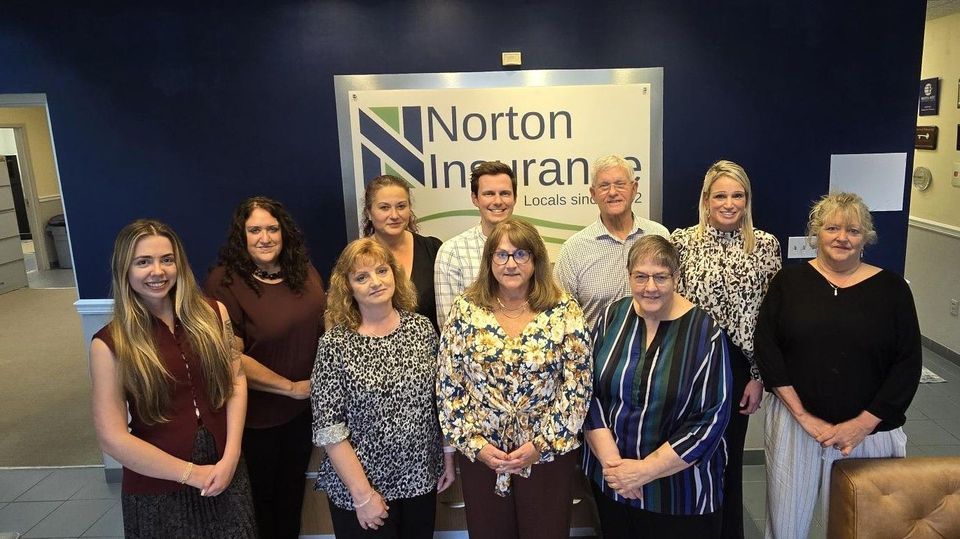
Why Choose Us?
Why Knowledge and Experience Matters
Experience brings perspective, and knowledge brings confidence. Over 44 years, we’ve learned that the best way to serve our customers is by investing in a knowledgeable team that can guide, inform, and support you every step of the way.
Better Coverage
With decades of experience, we've seen how claims happen and where coverage gaps can occur. That knowledge allows us to design coverage that addresses real-world risks, helping ensure you're properly protected when it matters most.
Better Pricing
Longevity builds strong relationships and a deeper understanding of which carriers are competitive for different situations. This allows us to shop smarter, compare more effectively, and help you find the best value — not just the lowest price.
Better Carriers
Over the years, we've built access to a wide range of trusted insurance companies, including many that are selective about who they work with. This gives our customers more options and helps us match you with carriers that best fit your needs and perform well over time.
Better Service
Experience helps us anticipate needs, answer questions quickly, and provide guidance with confidence. Our knowledgeable team is here to support you through changes, renewals, and claims — delivering service built on years of real-world experience.
OUR COMMITMENT TO YOU
Local Care That Counts
When a hurricane threatens your home, when your business faces an unexpected claim, or when you're not sure if your coverage is enough, you want someone who's been through it before. The Norton and now Jones family has lived on the Emerald Coast for three generations. We've helped our neighbors rebuild after storms, navigate complex risks, and find coverage that actually holds up when it matters.
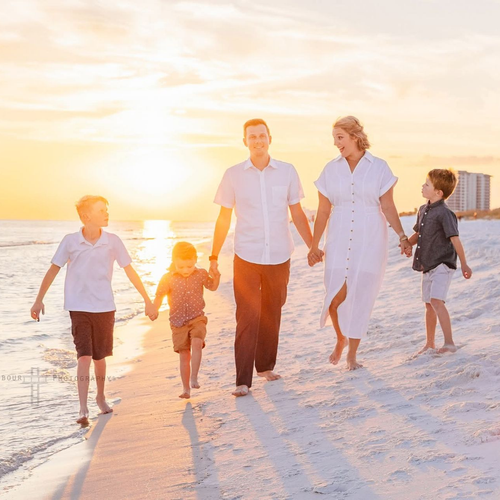
Local Risk Knowledge
A local agent understands the risks specific to your area — whether it's hurricanes, flooding, tourism-related exposures, or rising rebuilding costs.
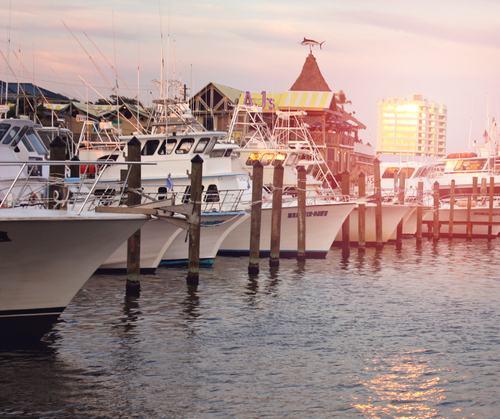
Local Care
You're not just another number, you're our neighbors, teammates, handyman. You own our favorite restaurants and teach our children. We're invested in the success of you, your property, and your business.
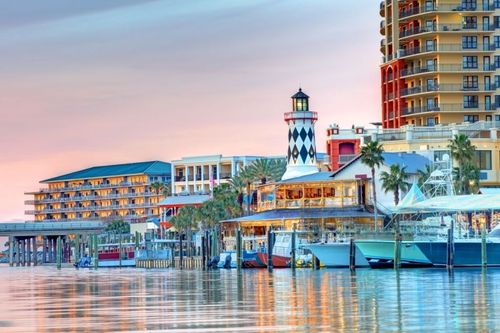
Local Markets
Florida’s insurance market is unique, and many national carriers don’t write coverage here. Out-of-area agents often don’t have access to the same Florida-focused and niche companies, which can limit your options and reduce competition. A local agent provides access to the full range of insurance companies that write in Florida — helping you find the right coverage at the most competitive terms.
Customer Testimonials
What Our Clients Say About Norton Insurance
We don't just write policies, we build relationships. Here's what our clients across the Emerald Coast have to say about working with Norton Insurance.
Why Use An Independent Agent?
Unlike agents who work for a single carrier, Norton Insurance shops over 100 top rated carriers on your behalf. That means better coverage, better rates, and advice that's always in your best interest. Here's what that looks like for you.
Over 100 Carriers, One Easy Choice
A captive agent can only offer one company's products. As an independent agency, Norton Insurance compares coverage and pricing across 100+ top rated carriers to find the policy that actually fits your needs and your budget.
44 Years of Emerald Coast Expertise
Since 1982, three generations of the Norton family have protected homes and businesses from Fort Walton Beach to Destin and beyond. Our agents have weathered decades of Florida hurricanes and know exactly what coverage you need.
Your Advocate, Not the Carrier's
Our loyalty is to you and your family, not to any single insurance company. If your needs change, we can move you to a better carrier without starting over. That's the freedom an independent agent gives you.
Real People at Three Local Offices
When you call Norton Insurance, you reach a real person who knows your name and your policy. No robots, no out of state call centers. Just a local team ready to help today, tomorrow, and whenever you need us.
Frequently Asked Questions
Have Questions About Insurance?
Have questions? We have answers. Here are some of the most common things our clients ask before getting started with Norton Insurance.
In some ways, insurance is more expensive than other states, but sometimes it’s cheaper. It’s true that home insurance is more expensive due to the frequent hurricanes and potential for flooding. The payout for these claims in the last ten years has caused premiums to soar. But with recent legislation aimed at tackling the high premiums, rates will hopefully stabilize soon. Floridians also have a separate hurricane deductible on their policies. This is sometimes a percentage of the value of the home rather than a set amount and can be exorbitant if unaware.
Auto insurance might be a bit more than around the country as well. In Florida, PIP (Personal Injury Protection) is required for auto insurance. This additional coverage can contribute to auto insurance premiums.
In terms of business insurance, Florida Workers’ Comp rates are going down due to fewer claims and better technology. In some classes of business workers comp rates are half what there were only a few years ago.
Recent hurricane activity has been the primary driver behind rising home insurance premiums over the past several years. Increased claim frequency, combined with costly litigation surrounding these claims, has made it more difficult for insurance companies to recover losses. Additionally, homes in Florida are built to higher construction standards to withstand hurricane-force winds. While these stronger building requirements improve durability, they also increase construction costs, which in turn leads to higher insurance premiums.
We offer a wide range of professional services tailored to meet your needs. Contact us to learn more about how we can help.
The short answer is you need enough insurance to make you whole again.
For Home Insurance
A good rule of thumb is to carry enough coverage to fully rebuild your home, not just what you paid for it or what it’s worth on the market. Construction costs, materials, and labor, all factor into that number.
You’ll also want to think about:
- • Personal belongings inside the home
- • Liability protection in case someone gets hurt on your property
- • Additional living expenses if you had to temporarily move out
Many homeowners also choose to add umbrella coverage for extra liability protection, especially if they have significant assets.
For Auto Insurance
For auto insurance, you’re not just protecting your vehicle — you’re also protecting yourself financially if you’re responsible for an accident. State minimums are often much lower than is recommended and may not be enough in a serious accident.
Many people consider:
- • Higher liability limits to protect assets and income
- • Comprehensive and collision if the vehicle still has significant value
- • Uninsured motorist coverage, especially in states with higher uninsured driver rates
The goal is to make sure an accident doesn’t turn into a major financial setback.
Business Insurance
For business insurance, coverage depends on:
- • The type of work you do
- • Size of your business
- • Contracts or landlord requirements
- • Potential risk exposure
There are many types of business insurance but if you want to start with the bare minimum, get General Liability Insurance and Workers Compensation. Many small businesses start with $1 million per occurrence / $2 million aggregate for general liability, but some industries or contracts may require higher limits. Businesses with more exposure or larger contracts often add umbrella coverage for additional protection.
Businesses also need coverage like Workers Compensation to help employees in the event of a workplace accident. You’ll need Commercial Auto coverage if you have company vehicles. You’ll need Commercial Property coverage if you have a physical location. You should also consider Cyber Insurance with the growing number of security threats and attacks made on the sensitive information that businesses store.
The short answer is if you live in Florida, yes, you probably do. The Destin area of Florida only has an elevation of 14 ft, so when the storms surge in the event of a hurricane, many homes will be flooded. Normal home insurance doesn’t cover tidal surge or flash flooding, resulting in many claims from hurricanes being denied. But if you’re unsure of your risk level, check your flood zone. And since flood insurance is a fraction of the cost of home insurance, insuring your valuables is more affordable than ever. If you’d like more information on if you need flood insurance, read these two blog posts about it: Do I Need Flood Insurance? Why Flood Insurance Matters More than Ever
A hurricane deductible is the amount of money the insured will pay in the event of placing a claim. The hurricane deductible is often separate from the normal deductible. This amount can be a set amount like $500, or it can be a percentage of insured value of the home such as 2, 3, 5 or even 10% of the replacement cost of the home.
Home insurance is designed for sudden and accidental damage, not ongoing or preventable issues. These are things that usually aren’t covered on a home policy, but coverage may be found on a separate policy:
- • Flooding
- • Earthquakes or ground movement
- • Wear and tear or maintenance issues (like an old roof wearing out)
- • Pest or termite damage
- • Mold caused by long-term issues
- • Vacant homes (or limited coverage if the home is vacant too long)
Auto insurance also focuses on accidents and unexpected events. Common exclusions include:
- • Normal wear and tear (like brakes, tires, or maintenance)
- • Mechanical breakdowns
- • Using your personal vehicle for business (sometimes requires special coverage)
- • Intentional damage
- • Drivers not listed on the policy (depending on the situation)
- • Custom parts or upgrades (unless specifically added) For example, if your transmission fails, that’s maintenance — not insurance. But if you hit a deer or get in an accident, that’s typically covered if you have comprehensive coverage.
General liability is great for third-party injuries or property damage, but it doesn’t cover everything. Common things not covered include:
- • Your own property or equipment (that’s property insurance)
- • Employee injuries (that’s workers compensation)
- • Professional mistakes or bad advice (that’s professional liability / E&O)
- • Intentional damage (that’s possibly a bond or crime policy)
- • Auto accidents involving business vehicles (that’s commercial auto)
For example:
- • Customer or visitors slips in your office → General liability
- • Employee gets hurt on the job → Workers’ comp
- • You give bad advice that causes financial loss → Professional liability
Replacement cost value is the amount of money it would take to rebuild your home in today’s dollars. Actual cash value is the current worth of a home minus depreciation. This amount is usually inadequate to replace your current home.
Home insurance can cover the cost of a roof replacement if the cause is listed in the policy terms. Many times, for an insurance company to cover the entire roof, an inspection will need to be done to see if a certain percentage of roof was damaged in the event. Please be aware of roofer salesmen that can promised to get you a new roof at no cost. Claiming roof damage when there was no actual attributal event is committing insurance fraud.
A vacant home faces significantly higher risks of vandalism, theft, and severe damage from undetected issues like burst pipes, fire, or pest infestations. Most standard homeowners’ insurance policies exclude coverage if the home is empty for more than 30–60 days, requiring a specialized vacant home policy to avoid financial loss
Insurance policies can cover mold and water damage, but it all depends on the language of your policy. Sometimes this coverage will need to be added as an endorsement (like an addendum) and will have its own deductible. The limits for this may be different than the rest of this policy so be sure to talk to your insurance agent about what your policy entails.
Full coverage for auto insurance is often confusing for comprehensive coverage. No insurance will cover everything; policies only cover certain risks. Full coverage can mean purchasing both collision and comprehensive coverage in addition to the mandatory liability coverage. Comprehensive coverage is separate from collision coverage for other vehicles. It is often known as “other than collision coverage”. It covers things like theft, fire, or hitting an animal.
Legally, workers’ compensation is often the only thing required, but you should get additional coverage like general liability to cover yourself properly. So much of coverage depends on your business and the industry. Some industries require insurance before you can get a license. You will need to check the requirements for your industry and state.
Business insurance can vary widely depending on the industry you’re in, the size of the company, and the things you want to cover. The cost for a start up can range anywhere from a few hundred dollars to over 10,000 depending on the risk level of their work. It’s important to find an insurance agent that has extensive knowledge of business insurance. They will know what you need and have access to the most affordable companies.
General liability insurance is basically the coverage that helps protect your business if something unexpected happens and you’re held responsible.
For example, if someone slips and falls at your office, you accidentally damage a customer’s property, or someone claims your work caused them harm — general liability insurance can help cover things like medical bills, repairs, and even legal costs if it turns into a lawsuit.
It’s often considered one of the foundational coverages for a business because accidents can happen in almost any industry — whether you're meeting clients, working on a job site, or even just advertising your services.
It depends on the use of your vehicle. If you use your vehicle for work-related activities, you probably need a commercial auto policy. Many personal auto policies exclude work related incidents, so you’ll need to read the policy to see if it allows the use of a personal vehicle for business purposes. For more information about commercial auto policies read our blog article: All About Commercial Auto Insurance in Destin & Fort Walton Beach Florida
If workers are on a job site, they need to be covered. They need to be accounted for on your General Liability and Workers Comp insurance. A 1099 worker needs to be covered under your insurance unless they have purchased their own.
Yes! You can insure a new business as soon as you apply for or obtain your business license. It’s important not to wait until operations have already begun. Activities such as advertising, hiring employees, or even entering into verbal agreements can all create potential exposures that are best addressed with coverage in place.
Yes, you need it at the same time as you start your operations. You can insure a new business as soon as you apply for or obtain your business license. It’s important not to wait until operations have already begun. Activities such as advertising, hiring employees, or even entering into verbal agreements can all create potential exposures that are best addressed with coverage in place.
It depends on which state you are in and whether you are in the construction industry. For Florida there are two categories, construction and nonconstriction. For non-construction industries you legally need Workers Comp when you have three or more employees (the rule is four but remember an owner counts as one). For construction industries, you must have it at the start of operations regardless of the number of employees (even if it’s just the owner). If you as the owner are the only employee, can you be exempt from being covered, in which case you pay $50 every two years to file an exemption.
In Florida, Workers Compensation is a percentage of payroll. The percentage is based on the industry of the business and dependent on the risk of your work. It ranges from clerical work at less than 1% to construction and manufacturing industries being in the 5%-10% range.
In Florida, if you own 10% or more of a business, you can exempt yourself from being covered with Workers Compensation (there is a max number of owners that can be exempt). You will need to file this exemption with the state (and pay $50 every two years if you are in the construction industry) to maintain this designation. If you hire any additional employees or subcontractors, you will need coverage for them (unless a subcontractor has their own coverage).
All payroll counts towards the calculation of workers comp. This includes clerical work, subcontractor work, and owner’s earnings. Unless you have a 1099 employee that can prove they have their own coverage, all payroll will count towards the calculation of workers comp.
If you own a business, you should have workers comp. If you don’t want coverage, own the business and are the only employe, you need an exemption. If you have a business with employees and fail to get workers comp for your employees, the consequences are severe. The state will place a stop work order on the job site; you’ll have to back pay for the time without insurance and pay a fine for non-compliance. These same consequences could apply to owners that don’t exempt themselves or let their exemption expire.
The information required for a quote varies depending on the type of insurance, but most quotes begin with basic personal details to help assess risk. This typically includes your name, date of birth, address, and sometimes additional information depending on what coverage is needed.
For auto insurance, you may be asked for vehicle details such as the VIN, make and model, driving history, and any prior claims.
For home insurance, insurers will need your property address along with details about the home, including square footage, construction type, roof age, foundation, siding, and any additional features such as detached structures or upgrades.
For business insurance, information typically includes your business type, operations, assets, property details, number of employees, and estimated payroll, along with basic personal information for the business owner.
Because each insurance company has slightly different requirements, the exact information requested may vary. Our goal is to make the process as simple as possible while gathering what’s needed to provide accurate and competitive quotes.
If you are a business owner that subcontracts work, those workers need insurance. If they have not purchased it for themselves, you will need to cover them with your own insurance.
If you are the homeowner and a worker comes to your house, make sure they have workers’ compensation and liability insurance. Otherwise, you could be accountable for their job-site accidents.
There’s no one better and more knowledgeable about the risks and hazards of an area than a local insurance agent. They know the best companies that will cover claims and the coverage needed to safeguard your possessions. Having an Independent Insurance agent means that the agent doesn’t work for just one company. They represent many (sometimes over 100) companies that can compete for the best price and coverage for the customer. Check out our blog about this: Why Use an Insurance Agent
Adjusting coverages that aren’t needed and raising your deductible are a great place to start with lowering your home insurance premium. You can also update things in your home like your hot water heater and windows. For more information about these changes check out our blog: Florida Homeowners Insurance: Smart Ways to Lower Your Premium Without Sacrificing Protection
Captive agents typically represent one insurance company and are limited to that carrier’s guidelines and pricing. Independent agents work with multiple insurance companies, allowing them to customize coverage, compare options, and find competitive solutions for your unique needs. As local professionals, independent agents also bring valuable insight into the specific risks facing homes and businesses in your area.
Golf carts typically are not covered under a standard auto policy. Most auto policies are designed for vehicles that are licensed for road use, and golf carts often don’t meet those requirements.
However, golf carts can sometimes be covered under a homeowner’s policy in limited situations, such as when used on your property, or within certain communities. If you regularly drive your golf cart on roads, in neighborhoods, or for errands, you may need a separate golf cart policy to make sure you’re properly protected.
See more information about Golf Cart insurance:
The Golf Cart Insurance Gap: What Rental Property Owners & Managers Need to Know
It depends on how your golf cart is used and whether it’s registered for road use.
If your golf cart is not registered, it may have limited coverage under your homeowner’s policy, similar to how items like riding lawnmowers are covered. However, that coverage is usually restricted and may not apply in all situations — especially if the cart is used off your property or by renters.
If your golf cart is registered as a low-speed vehicle, it’s treated more like a motor vehicle. That means it typically needs its own insurance policy and must meet certain requirements like headlights, seat belts, mirrors, and liability insurance.
The simple way to think about it:
- • Only used on your property → May have limited homeowners coverage
- • Driven in neighborhoods or on roads → Often should have its own policy
- • Registered for road use → Typically requires separate insurance
Read More about Golf Cart Insurance Regulations: Insurance for My Golf Cart
Requesting a Quote Has Never Been Easier!
Talk to Kelly, our virtual assistant, for a fast and friendly experience, or fill out the form below and one of our agents will follow up with personalized options.
Get A Quote Started 24/7
Get a quote started anytime, day or night. Kelly walks you through each step, answers common questions, and makes the process effortless!
Kelly
Speak to our virtual assistant Kelly 24/7
Microphone ready
Start your custom insurance quote
Instant answers to your insurance questions
Schedule appointments or follow-ups
OR
Leave Us a Note
Fill out the short form below and our local team will reach out with your custom quote.
Contact Us
We will get back to you as soon as possible.
Please try again later.
By providing your phone number and submitting this form, you consent to receive informative SMS messages from Norton Insurance at the number provided. Consent is not a condition of purchase. Message & data rates may apply. Message frequency varies. Unsubscribe at any time by replying STOP or Reply HELP for help. View Terms of Service and Privacy Policy for more information.